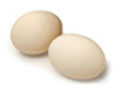



Hatching eggs for sale in Cornwall
Hatching eggs for sale in Devon
Hatching eggs for sale in Liskeard
Hatching eggs for sale in Bodmin
Hatching eggs for sale in Launceston
Hatching eggs for sale in Camelford
Hatching eggs for sale in Plymouth
Hens for sale in cornwall
Hens for sale in Looe
Hens for sale in Liskeard
Hens for sale in Bobmin
Hens for sale in Plymouth
Hens for sale in Devon
Hens for sale in Launceston
Hens for sale in Camelford
Hens for sale in St Austel
When eggs arrive, they should be removed from packaging and placed pointed end down in a cool place to settle for 24 hours, then brought up to room temperature before setting under a broody or in the incubator.
Before incubating the eggs you should ensure that your incubator has been running for 24 hours at a consistant temperature. I set my incubator to 37.5c. Check with a different thermometer to check the calibration of your incubator. If the temperatures varies between them, you should contact the manufacturer.
By allowing the temperature to stabalise you can make any adjustments before the eggs are introduced. Make sure you record the date you put the eggs in!!
Place the eggs in the incubator and then leave them! Only open to check water levels or to turn the eggs if necessary. When the eggs reach the seven day point they can be candled to check whether they are fertile or not. Candling is the process of seeing inside of an egg with a bright light to determine if the how the egg is progressing.
For manual incubators turn the eggs a minimum of 4 times a day. When the eggs are placed in the incubator an X should be placed on one side of each egg to keep track of the turning process. Use a pencil to lightly draw the X on the egg shell. Do not turn the eggs three days before hatching and check the incubator instructions for details of any adjustments required (useally an increase in water to increase the humidity for hatching). The hatching time varies from species to species --- chickens take about 21 days while ducks take about 37 days. Check a reliable source to see how long the species of poultry you are hatching takes to hatch as some bantam breeds can take as little as 18 days.
When the eggs begin hatching they should be left to their own devices, do not attempt to help chicks hatch. The chicks usually hatch within 48 hours of each other, but eggs should be left another 48 hours before they are discarded to allow for late hatchers. Place the chicks in a warm, appropriately sized brooding box. Initially the temperature should be around 95 degrees and reduced each week by five degrees until the temperature is about 70 degrees. This can be achieved with a heat lamp that is gradually raised. Allow the chicks to have space to retreat from the heat lamp. Provide food, water and a clean environment and enjoy your new brood of chicks.